

 Subscribe
Verizon CEO Lowell McAdam telegraphed his plans to dump rural landline service last summer.
You should believe Verizon Communications CEO Lowell McAdam when he says he intends to end wired telephone and broadband service for areas that are simply not economically feasible for fiber upgrades. McAdam’s grand plan is now coming true for customers in parts of Florida and on Fire Island, N.Y.
Last summer, Stop the Cap! covered McAdam’s comments to Wall Street investors (that are always the first to know) at the Guggenheim Securities Symposium:
“In […] areas that are more rural and more sparsely populated, we have got [a wireless 4G] LTE build that will handle all of those services and so we are going to cut the copper off there,” McAdam said. “We are going to do it over wireless. So I am going to be really shrinking the amount of copper we have out there and then I can focus the investment on that to improve the performance of it.”
The writing is already on the wall:
- Verizon has been penalized and criticized in several states by public utility commissions for the ongoing degradation of its copper network. Verizon sees further investment in copper technology as throwing good money after bad, but spending millions on additional fiber upgrades isn’t appealing either. The result is deteriorating service. From downtown Manhattan to New Jersey to Maryland, D.C. and Virginia, Verizon’s service failures have left customers frustrated and sometimes waiting weeks or months for repair crews to turn up to restore basic phone service. Even more dangerous, Verizon was to blame for significant 911 network failures near the nation’s capital. Post Sandy, there are still sections of lower Manhattan without phone service nearly five months after the storm struck. Five months.
- Verizon sold off telephone service in northern New England several years ago to FairPoint Communications, knowing full well Verizon never had an interest in upgrading any part of Vermont, New Hampshire or Maine to fiber service. In many smaller former GTE telephone areas too small to successfully argue a case for return on investment, Verizon decided selling those territories off was the best option. Hawaiian Telcom and Frontier Communications now own many of those former-Verizon territories.
- Verizon has decreased marketing its wired DSL service and stopped selling it altogether to customers who want broadband-only service. That seems counter-intuitive for a company that recognizes future revenue possibilities come primarily from broadband and data services.
Traditionally, customers reporting trouble on a phone line get a visit from Verizon technicians who track the problem down and repair it. But Verizon no longer wants to spend money fixing copper wire-related problems. Customers reporting chronic phone static or outages are now being asked to abandon their traditional landline service instead:
- In areas where Verizon FiOS fiber is available, the company disconnects the customer from copper service and switches them to the FiOS fiber network. This also provides future marketing opportunities, pitching broadband and television service to accompany a customer’s home phone.
- In areas where fiber upgrades are not forthcoming, the company now proposes to disconnect the customer in favor of Voice Link, a wireless home phone replacement. This also opens marketing opportunities for Verizon Wireless to pitch cell phones and wireless Internet service.
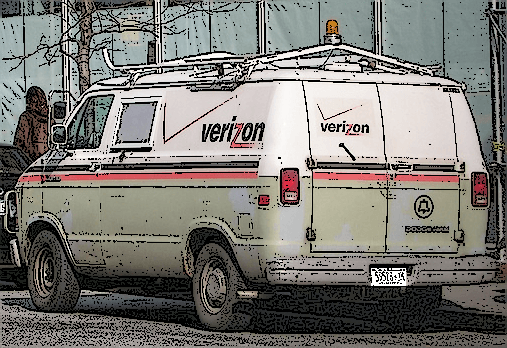
The end of an era.
Customers who live in Florida currently have a choice. During the trial, they can switch to Voice Link or keep their current landline service. On Fire Island, just south of Long Island, customers will not have that choice. Verizon is testing the will of New York regulators asked to allow the company to gradually abandon landline and wired Internet facilities on the island. Customers previously knocked out by Hurricane Sandy have no alternative — switch to a wireless option like Voice Link or lose telephone service. As the network degrades further on the island, it is a safe bet more Fire Island residents will find themselves confronted with a wireless future courtesy of Voice Link.
Verizon is careful to note its Voice Link service comes at no additional cost to customers — their phone bills will remain the same, at least for now. But the transition includes several important caveats:
- Voice Link is not subject to state or federal oversight or quality of service consumer protection laws that apply to traditional landline service;
- The customer is responsible for providing an indoor space to mount the equipment (hardly unobtrusive, the receiver is eight inches tall) and provide electric power and AA batteries for battery backup;
- Voice Link does not work with any data services including broadband or dial-up Internet, faxing, medical monitoring, alarm systems, etc. You will be pitched an expensive Verizon Wireless data plan if you want Internet access;
- During recent severe storms, copper landline networks often continued to work but cell phone service failed over wide areas because of call congestion and long-term power outages. Similar failures will leave Voice Link non-operational;
- Voice Link customers lose DSL service and may have little chance of getting it back once they switch.
Verizon’s solution for Fire Island represents the long-term vision of McAdam coming to fruition. Complaining customers have not been able to persuade the company to abandon its plan, but New York State regulators might, if the issue gets enough attention.
In states with less aggressive regulators, Verizon could implement its Fire Island strategy nearly at-will, especially in rural service areas. Verizon’s plan differs little from that of AT&T, another major service provider seeking permission from regulators to abandon rural landline networks. AT&T is betting the Federal Communications Commission will approve AT&T’s “network transition plan” for all of its rural customers. Verizon is starting smaller, gradually implementing its transition under the radar of many state and federal officials.
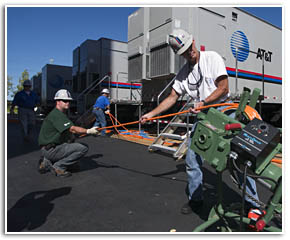
AT&T wants to wind down its own rural landline network.
So why adopt Voice Link — a wireless solution, when copper wire network repairs remain a viable option?
The reasons are simple:
- Voice Link is cheaper to run and maintain as a wireless service and uses existing Verizon Wireless cell towers;
- Verizon can further cut their unionized workforce that maintains the company’s landline network;
- Wireless products escape regulatory oversight;
- The company can push customers to wireless data products that cost far more than wired DSL broadband service;
- Verizon doesn’t have to upgrade the rest of their network to fiber.
Customers in Verizon service areas should appeal to regulators and their elected officials to stop the abandonment of wired infrastructure. Verizon argues maintaining its network doesn’t make sense when customers are fleeing their landlines. But rural customers are not disconnecting broadband service that travels across the same network. Even basic DSL is coveted in rural Verizon territories where Internet access remains unavailable. Just about everyone wants the option of FiOS fiber, perhaps the most coveted network upgrade around until Google announced its gigabit fiber project in Kansas City.
Nobody wants Verizon or AT&T to keep up its copper wire facilities indefinitely. But a better solution would be a regulatory mandate that requires Verizon and AT&T to gradually replace antiquated and failing copper infrastructure with fiber wherever possible. It is more than possible to do this on Fire Island. Verizon’s service area in Florida is hardly rural either. Verizon Florida (formerly GTE Telephone) serves Tampa-St. Petersburg east to Lake Wales, a major metropolitan region in central Florida.
What is best for shareholders should not be the final determining factor for an important utility service. If customers prefer the option of Voice Link for home phone service, there is nothing wrong with that. But wireless service as the only option customers have for broadband service? Not at Verizon Wireless’ prices.

 The problem seems to be the “end of warning/test”-signal not being processed properly by Comcast, which then keeps the warning active until the equipment is reset. In January, the newspaper reports the “end of message” disengage signal was missing altogether.
 The city of Olathe, Kansas will be the next home for Google Fiber, according to
 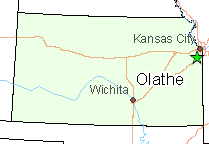 Google noted the city’s willingness to cut red tape and to ease the introduction of the service were partly determining factors. Google earlier cited the importance of having a smooth working relationship with utility companies and local government officials that make fiber installation a lot easier.
 Verizon officials have announced they will abandon their damaged wireline network serving several hundred permanent residents and businesses on Fire Island, replacing voice telephone service with a wireless system called Voice Link critics say will end high-speed Internet service and hurt business.
 Starting April 1st, customers calling with service problems on Fire Island will be redirected to special operators trained to pitch customers the Voice Link service as a replacement. These agents will also handle billing adjustments and drop phone package features Voice Link does not support. If the customer only wants phone service, Verizon will schedule an installation date for Voice Link. A technician will arrive with a wall-mounted box about 8″ high that will be installed in the room that provides the best reception from a nearby Verizon Wireless tower. The box will then be connected to your home telephone wiring and a nearby power outlet so existing telephones will work once again. The box has battery backup powered by customer-installed and maintained AA batteries.
 Verizon’s Voice Link service is by no means intended to be used only on Fire Island.
 That decision promptly sparked West Virginia’s House Minority Leader Tim Armstead (R-Kanawha) to demand the release of all documents related to the taxpayer-funded broadband stimulus program, noting the federal government administered program requires grant recipients to be open and transparent about how taxpayer funds are spent.