While ivi enjoys the fruits of the Cablevision-Fox dispute which drew suburban New Yorkers to sign up for service, another “online cable system” with an even more obscure reputation in North America has launched live “HD-quality” streams of British television, most of the major television stations in Los Angeles, and hardcore porn.
FilmOn, the brainchild of British billionaire Alki David, has been in beta for at least a year — until ivi stole a lot of its potential thunder by selling access to network stations from Seattle and New York City for $4.95 a month. Since ivi’s arrival, FilmOn has taken off the “beta” label and opened their service to all-comers.
We’ve been playing with FilmOn for about a month ourselves here at Stop the Cap!, but have not written about it until now because the service operates like a moving target. Yesterday’s channel lineup may be quite different the next day, and pricing has changed at least twice for the service in a matter of weeks. While the service says it’s not in beta, it sure feels like it. So, with this in mind, we present a brief review of the service as it exists today, the 2nd of November. Don’t blame us if the channel lineup has changed since.

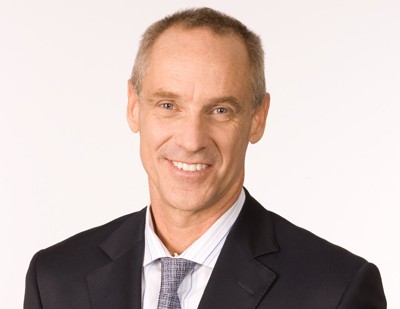
Alki David is the founder of FilmOn
FilmOn has a bigger reputation in Europe, especially in the United Kingdom where British viewers hunger for access to America’s latest series and specials. Getting access to FilmOn’s beta test was a badge of honor for many English speaking European beta testers craving direct feeds from CBS, NBC, and ABC stations in the United States. Now Anglophiles on the other side of the pond looking for direct access to British television can now watch it live.
FilmOn uses its own free HDi player, which incorporates a viewing window, channel lineup, programming guide, and facilities to schedule recording shows for later viewing. The player also includes authentication to protect the streams from unauthorized viewing, a bit of irony for many of the channels on the lineup which gave no authorization to be there in the first place.
The player software and layout is more advanced than ivi, and FilmOn’s picture quality is far superior to what we saw when viewing ivi’s streamed content. However, FilmOn’s streams are far more likely to suffer from interruptions and buffering problems, and higher picture quality does not mean much if your favorite show sputters to a halt every 10 seconds or so. That happened a lot with Los Angeles area signals on the channel lineup, especially in the evening.
The software allows users to increase the video buffer size, presumably to reduce re-buffering video pauses, but we found little difference in video quality regardless of how we configured it. FilmOn either needs more robust American servers or allow the player to adapt to real world Internet connection quality by temporarily reducing the video encoding rate to deliver a stable signal.
FilmOn’s channel lineup changes regularly — way too regularly. Since we started testing, entire groups and segments of channels have disappeared, returned, disappeared again, and many are back once more. This is the biggest flaw FilmOn delivers to its paying subscribers, who simply cannot count on channels sticking around for long. This is an issue FilmOn must address. Paying customers don’t mind new channels being added to the service, but sudden removals will alienate them very quickly.
Like ivi, the centerpiece of FilmOn is delivering network broadcast station feeds. Unlike ivi’s reliance on New York and Seattle-area stations, FilmOn prefers Los Angeles for its lineup. That’s a definite improvement over Seattle area stations for Pacific time zone viewers. But keep in mind Los Angeles stations are notorious for breaking away from regular programming to cover tragedies that regularly seem to impact southern California, from crazy car chases with Hollywood celebutards to the region’s various natural disasters. While that is a plus for news junkies, someone seeking out a network show may find it interrupted by breathless reporters covering the latest wildfire, flood, earthquake, civil disturbance, or… killer bee attacks.
FilmOn Channel Lineup
 KCAL-TV Los Angeles: KCAL is an “independent” station in Los Angeles delivering huge blocks of news programming to southern California audiences. KCAL’s original reputation was its strong news coverage beyond Los Angeles, especially in Ventura County, the Inland Empire, and Orange County. Although coverage of major breaking Los Angeles news events remains a hallmark of KCAL, the station is today owned by CBS, and is secondary to KCBS-TV.
 KTLA-TV Los Angeles: KTLA was Los Angeles’ only true superstation, although it was seen mostly on cable systems in the western half of the country. It used to be an independent station, but today is affiliated with the CW television network, which almost seems beneath it. KTLA has an exceptional evening newscast and is well known for its coverage of major breaking news, but with the CW’s youth focus, the station’s news coverage has been dumbed down, especially in the morning.
 KCBS-TV Los Angeles: The area’s CBS affiliate, KCBS partners with KCAL-TV in newsgathering. Since the station is owned outright by the network, unless breaking news occurs you are certain to get all of the CBS lineup from KCBS. The station has a lot of resources to cover breaking news stories, even after budget cuts reduced the news staff.
 KVCR-TV San Bernardino: The Inland Empire’s PBS affiliate. In large cities like Los Angeles, multiple PBS stations are not uncommon, typically sharing some major programming while different stations specialize in different programming at other times (educational, current affairs, nature, etc.)
 KPXN-TV San Bernardino: The area’s Ion-TV affiliate, delivering religious and family-oriented programming. Ion stations generally do not produce locally originated programming.
 KTTV-TV Los Angeles: Fox’s Los Angeles affiliate delivers all of the Fox lineup and classic laid-back Los Angeles-style news coverage, especially in the morning.
 KCOP-TV Los Angeles: KCOP used to be an independent station, but today serves as Los Angeles’ MyNetworkTV affiliate. The station’s strongest years are now well behind it. Today, it’s a dumping ground for a lot of shows other stations won’t take. Fox owns the station, which means Fox shows occasionally air on KCOP during breaking news events being covered live on KTTV.
 KNBC-TV Los Angeles: The area’s NBC station delivering the full lineup of NBC shows.
 KOCE-TV Huntington Beach: Orange County’s local PBS station used to be considered a secondary PBS affiliate for Los Angeles, airing only about a quarter of the PBS lineup. But on January 1st, KOCE will become LA’s most important PBS station as KCET-TV goes “independent.”
 KABC-TV Los Angeles: The ABC station for Los Angeles, which includes a strong local newsgathering operation.
 Universal Sports: The digital sub-channel network usually found on NBC stations carries an all sports format.
 4 Music: An on-demand music video channel broadcast from the UK.
 Scuzz: A British music video channel covering hardcore and metalcore genres.
 Flaunt: Originally a dance music video channel targeting a LGBT audience, today the network delivers electronic dance music to all audiences.
 Bloomberg: The well-known business news channel comparable to CNBC or Fox Business.
 RAI Sport: RAI is Radiotelevisione Italiana, Italy’s public broadcasting network. RAI Sport delivers Italian-language sports news and live coverage of soccer, motor-racing, and a range of other sports from southern Europe.
Dubai Sports: Emanating from the United Arab Emirates, Dubai Sports carries Arabic language coverage of sports ranging from extensive soccer coverage to camel racing.
 Viva: is a music and entertainment channel serving the UK and the Republic of Ireland, owned and operated by MTV Europe.
 Russia Today: Russia Today is the video equivalent of the Voice of Russia World Service on shortwave, delivering programming in English, Russian, Arabic and Spanish. Funded primarily by the Russian government, the channel broadcasts a news-heavy diet of shows that speak to respective target areas. For example, the network carried an extended interview with Ralph Nader commenting on today’s elections in the United States. The channel tries to avoid blatant propaganda in their broadcasts, but has no problem celebrating Russia’s accomplishments and its importance in world affairs.
 Sky News: The British news channel from the company that brought America Fox News Channel. Less overtly biased than its American counterpart, its investment in international newsgathering and need to keep up with competition from the BBC has garnered the news channel considerable respect for the depth and breadth of its coverage, especially of live events. But its political coverage definitely swings to the right.
 BBC News 24: The domestic 24/7 news channel from the BBC. Similar to CNN, this news channel targets news of interest to domestic British audiences. Very highly respected for its sober news coverage and unflappable anchors, many of whom are well-known to any BBC viewer.
 TVE Spain: Spain’s state-owned public broadcaster delivers current affairs and entertainment programming from Madrid to a global Castilian Spanish-speaking audience.
 CNN International: The external service of CNN, targeting global audiences outside of the United States with a heavy diet of international news typically delivered by anchors without American accents.
 Clubland TV: A unique British music channel entirely devoted to on demand viewing of video tracks from the Clubland series. It’s almost entirely dance music oriented and beats the pants off MTV Europe’s dance music channel in the ratings.
 E4: This channel is like the British version of the CW, targeting youth audiences with shows aimed at teen viewers. It airs a heavy diet of shows acquired from American networks, some in current runs (Glee) and others in reruns (Friends, Beverly Hills 90210).
CBBC/BBC Three: The BBC’s children’s programming network delivering shows of interest to viewers 16 and under. (Also see BBC Three.)
 JSC Sport Global: Also known as Al Jazeera Sports, this network delivers Arabic speaking audiences some of the most popular sporting events, having acquired the rights to major soccer league coverage. Operated from studios near Doha in Qatar, most of the anchors are dressed in traditional thawbs.
 Film 4: A British channel devoted to movies — traditional and current, without editing them to pieces or slapping on-air graphics and logos all over the screen.

ITV: FilmOn delivers the three network suite of channels from the commercial ITV network. ITV1 is the original ITV network delivering the network’s most popular British shows. ITV2 depends on mostly on series and shows imported from the United States. ITV3 targets over-35 audiences with repeats of classic ITV series and American reruns like Quincy, M.E.
 BBC: FilmOn also carries all four BBC entertainment channels, which include:
- BBC One: The flagship channel of BBC television, bringing the hallmark of BBC produced programming to audiences.
- BBC Two: More edgy than BBC One, new untested British series often turn up first on BBC Two. Two also more closely represents today’s multicultural Britain, and major segments of airtime are turned over to locally-produced broadcasts from the BBC’s regional TV broadcast centers in Northern Ireland, Scotland, and Wales.
- BBC Three: Shares time with youth-focused CBBC, BBC Three starts programming in the evening hours targeting audiences from 16-34 years old. Almost all of its content is produced domestically or from Europe.
- BBC Four: This BBC network targets highly educated viewers with intelligent documentaries, highbrow entertainment, current affairs, art and science programming, and international foreign language imports. Although respected for the depth of programming, critics occasionally make fun of BBC Four’s interest in obscure or narrowly targeted programming.
 Channel Five: Britain’s lowest rated channel delivers lots of American reruns and shows that others have rejected. The network has garnered about as much respect as MyNetworkTV has in the United States, and is derided as an economic mess. The network has been sold several times, and is now owned by tabloid newspaper publisher Richard Desmond, who is pouring money into the venture.
One genre of programming FilmOn airs that ivi doesn’t touch is adult entertainment. FilmOn currently has two hardcore porn channels — Adult XXX and Filthon XXX Latina.
Pricing for FilmOn services runs $9.95 per month (or $99 a year) with adult channels priced $5.00 per month extra. FilmOn promises to beef up its Spanish language programming shortly with the addition of Los Angeles stations Azteca América (KAZA), Telemundo (KVEA)
and Univision (KMEX).
A company spokesman said FilmOn is also available through mobile smartphones and will work on 3G networks without an app download.
In the coming weeks, FilmOn plans to add local stations from New York, Chicago, Miami, Dallas, Houston, and Seattle, which may give ivi some serious competition.
Still missing from the lineup are digital mini-networks like Retro TV which air classic TV shows. Also missing, but perhaps not relevant to FilmOn’s marketing are Canadian networks like the CBC, Radio Canada, Global and CTV.
Something else missing is permission from any of these stations and networks to be included on FilmOn’s lineup, something it shares in common with ivi.
All of the major networks filed suit in September against FilmOn.com in the US District Court for Southern New York demanding a restraining order to stop the streaming as well as demanding damages.
Remarkably, FilmOn’s parent company is publicly traded on the German stock exchange and has been operating in Europe for over a year with few problems. But running into a brick wall of entertainment conglomerates in the United States may require FilmOn founder Alki David to spend some of his billions to fight his way through a torrent of litigation. Even if the courts see David’s company clear, the next step will be fighting the inevitable, well-financed lobbying campaign to get Congress to enact legislation to ban such enterprises (unless those doing the lobbying own and control them).
For now, FilmOn’s player provides extensive free previews of their content so feel free to explore. But don’t get too hooked on any of FilmOn’s channels. What you see today may not be around tomorrow.


 Subscribe
 Netflix accounts for 20 percent of all broadband activity in the United States during prime time evening hours. As expected, “Internet experts” that are really little more than paid lobbyists for the broadband industry have started to feed the media scare stories about the great Internet traffic crisis soon to befall the Internet.