 Time Warner Cable customers in southern California are bracing themselves for a rate increase that will raise prices by 8.2 percent — almost four times the rate of inflation.
The price for digital basic cable, the most popular cable television package, will rise from $67 to $72.50 per month. The price charged to record shows from that package is also going up. “DVR service,” which does not include the DVR equipment itself, is rising 18.6% — from $10.95 to $12.99 a month.
Stop the Cap! reader Steve in Carlsbad adds his rate increase notification also mentions price increases for bundled packages:
All Standard and Basic packages and bundles will increase by $5.00 and all digital video packages and bundles will increase by $3.00.
The rate increases are by no means over. As Time Warner mails its price change notifications for 2013 to customers, it also signed a 25-year deal with the Los Angeles Dodgers for yet another regional sports channel showcasing the baseball team. Industry insiders estimate the deal is worth between $7-8 billion and could eventually cost cable subscribers an additional $5 a month, whether they watch the channel or not.
 It is likely the latest rate increase does include the cost of the 2012 launch of Time Warner Cable SportsNet, which features the Los Angeles Lakers. Time Warner asks competing satellite and telephone company video services to pay between $4-5 a month to provide SportsNet to their customers.
The rate increases will not affect customers on retention or promotional packages until they expire. As usual, Time Warner blamed the rate hike on increasing programming costs, notably for sports and broadcast television stations.
Although many Californians have alternatives, ranging from AT&T U-verse to two satellite television providers, those companies are raising prices as well:
- Comcast (San Francisco Bay area) rates went up 4.3% last year and will increase again this summer;
- DirecTV rates will increase Feb. 7 by about 4.5 percent;
- Dish Networks’ most popular packages rose $5 a month on Jan. 17;
- AT&T U-verse will boost prices on components of its service by around $2 a month each on Jan. 27.
 Customers facing price increases can use the rate increase notification as the trigger to threaten to cancel service to win a lower price with a customer retention offer. Stop the Cap! published a comprehensive guide on how to win a lower rate from Time Warner in 2012 and those tips are still working for our readers today.
If Time Warner seems unwilling to bargain, customers can also consider taking their business elsewhere by signing up for a promotional introductory offer with a competitor. When that offer expires, Time Warner will take you back with a new customer promotion as well.
In general, bundling all of your services with one provider will save the most money. Triple play packages consisting of television, broadband, and phone service are the most economical when considering the cost of each service. But it is also a good idea to consider whether you need all three services.
The weakest link of the triple play package is the landline. If you subscribe to broadband and cable service, consider switching to a broadband-based phone company like Ooma, which received a high rating from Consumer Reports. After an initial investment of around $150 for the equipment, the price of the phone service itself is next to nothing and includes nationwide unlimited calling. Ooma basic customers only pay for FCC-mandated fees and local taxes and surcharges. Combined these are usually well under $7 a month. Ooma Premier customers pay $119.99 a year and get a free number transfer, free calling to Canada, the choice of a Bluetooth Adapter, Wireless Adapter or Extended Warranty, a large list of calling features, a second line, voicemail, and free mobile calling minutes.
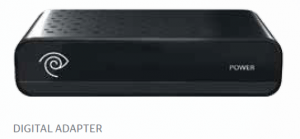
This digital adapter cable box is free through 2015. A traditional set top box from Time Warner costs $8.49/mo.
Next consider your current cable television package. Scrutinize your bill for add-on fees, especially for digital/HD add-on packages for channels you may never watch. Do you still need to pay for HBO, Cinemax, Showtime, and Starz? Consider Netflix, Redbox, and Amazon video — among others — to satisfy your movie needs without paying more than $15 a month for HBO alone.
Equipment fees may also make up a substantial portion of your bill. If you pay separately for DVR equipment and service, you are probably paying Time Warner’s regular customer rates. Seize the opportunity to demand a better deal. Customers with multiple set top boxes may want to consider ditching them on secondary sets, especially if they don’t need an on-screen program guide or access to on-demand programming.
Time Warner is offering customers “digital transport adapters” (DTAs) at no cost through 2015. These boxes, a fraction of the size of a traditional set top box, will allow older sets to access most digital channels that are included in your cable television package. But a DTA won’t work with on-demand programming or premium channels, at least for now. The devices also do not support a handful of digital channels that Time Warner provides under a bandwidth-saving scheme that only delivers a network if a customer with a traditional set top box actually starts to watch. In western New York, we found about 10 unavailable channels, virtually all very minor networks that won’t prove much of an inconvenience. Using a DTA instead of a set top box can save up to $8.50 a month for each cable box it replaces.
If you subscribe to Time Warner Cable broadband and are paying the company’s $3.95 a month modem rental fee, you are throwing your money away. Invest in purchasing your own cable modem. They are simple to install and are reliable. You’ll earn back the purchase price in as little as a year. Now may also be a good time to review your speed needs. Time Warner recently boosted its standard broadband speed to 15/1Mbps. If you pay extra for Turbo, this might be a good time to consider dropping it if you don’t need the incrementally faster 20Mbps download speed Turbo offers.


 Subscribe
 AT&T continues its quest to make landline service a really bad deal with the introduction of a new bill-padding fee that wireless customers will not have to pay.
 Meyer does not see it that way. He considers AT&T’s new fee a stealth rate hike.
 Time Warner Cable subscribers in Wisconsin are facing the third rate increase since October 2012.
 Broadcast cable: From $16.19 to $17.99
 Most existing clients have already had the benefit of a promotion on sign-up. As with all promotions, including the current new client promotions, they run for a limited time and the discounts they offer expire. We do have loyalty programs in place for existing loyal clients and we do offer existing clients the new promotions in cases where they may not have received anything when they signed up.