

 Subscribe
 Residents in mountainous western North Carolina have been frustrated by broadband availability maps from the Federal Communications Commission that suggest broadband service is plentiful and fast. But on the ground, customers trying to sign up for Internet access the FCC says is readily available is anything but.
The FCC’s National Broadband Map has been repeatedly criticized by broadband advocates for relying on voluntary data supplied by Internet Service Providers — data that has often proved incomplete, exaggerated, or just plain inaccurate.
Wally Bowen, executive director of Asheville’s Mountain Area Information Network (MAIN), wants to show the FCC its broadband map is out of touch with the real world. MAIN has announced a new website that will let western North Carolina residents test and report the real broadband speeds they are getting from providers to the FCC. If no broadband service is available at all, residents can report that as well.
“Based on our experience, we believe the FCC is underestimating the scope of this problem,” said Bowen, an advocate for Internet access in rural areas. “The FCC’s estimate is based primarily on data provided by the cable and telephone companies.”
With a growing amount of federal money available to wire unserved areas, phone and cable companies may have a vested interest exaggerating their coverage areas and Internet speeds to stop would-be competitors from entering their territories and building new networks. New providers could find a very enthusiastic customer base of more than 48,000 aggravated residents in 16 counties in western North Carolina that have no broadband options at all.
“This new website empowers citizens to compare their real-life experience with the FCC data, but more importantly, it dissects the broadband problem, provides ideas for solving it, and shows citizens how to add their voices to the policy debate,” said Bowen.
 Bowen believes profit-minded private companies are unlikely to ever be enthusiastic about wiring rural communities when larger profits can be earned in larger cities.
“Solving this problem isn’t rocket science,” said Bowen. “We’ve seen this movie before. Seventy-five years ago, for-profit electric utilities left rural America in the dark, so Congress passed the Rural Electrification Act and allowed local communities to solve the problem themselves by creating nonprofit electric cooperatives.”
But federal funds are off-limits if another provider already claims to offer service in an area, no matter how poorly they deliver it. Many large cable and phone companies have also worked to ban community-owned broadband networks from ever getting off the ground with the passage of corporate-sponsored bills passed by state legislatures. That leaves rural residents waiting endlessly for the telephone company to get around to providing some level of broadband service.
Problems with Frontier Communications’ DSL in the region tells the story:
 Paul Manogue lives in an area considered “served” by Frontier Communications. The phone company sold him 3Mbps service, but after installation, Manogue found Frontier locked down his DSL modem to 1.5Mbps, the fastest speed his telephone line could comfortably handle. Today, Manogue pays $60.98 for 1.5Mbps service that has since further degraded. Today his top speed is 1Mbps or less, even though his monthly bill remains the same. His broadband connection does not come close to the 4/1Mbps minimum speed the FCC expects from today’s rural broadband networks.
“We have been bluntly told [by Frontier] that the level of service we receive is what we pay for,” Manogue told MAIN. Manogue has no other options.
Bill Duffell of Burningtown thinks Frontier broke its promise to deliver broadband where Verizon, his old provider, refused. He is still waiting, along with a number of other residents, for even basic DSL.
“Frontier promised to bring high-speed Internet access to remote areas of western North Carolina within three years,” he said. “They have not done this and now tell me there are no plans to bring high-speed Internet to the area. Internet access via satellite costs me $129.99 per month with Exede/WildBlue and is weather dependent.”
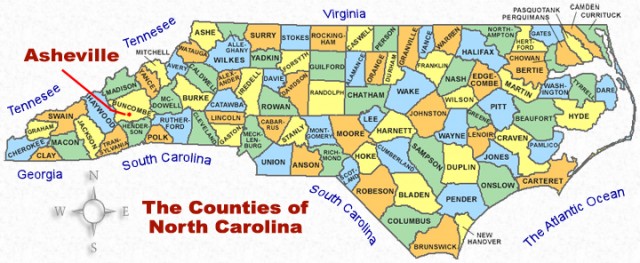 Allen in Madison County says Frontier delivered tolerable service until six months ago, when his speeds began to drop.
“The breaking point was when I was going to upload a 30 minutes video and found out it was going to take over 13 hours to upload.” Allen says. “I called Frontier and they [told me I was] ‘in a high volume area.'”
Anyone considering launching a competitive broadband service to improve the online experience of Manogue, Duffell, Allen and others will not qualify for any federal assistance because Frontier, the incumbent provider, already provides DSL broadband. Frontier also receives significant aid from the Connect America Fund — up to $775 to extend broadband to each individual home or business it earlier deemed unprofitable to serve. Each additional connection risks slowing down every other connection in the immediate area if Frontier does not maintain regular upgrades.
Two of the largest phone companies in the country — AT&T and Verizon — have both refused CAF money altogether. AT&T sees a bigger financial opportunity disbanding their wired telecommunications networks in rural America and forcing customers to switch to more costly (and much more profitable) wireless data services.
“The refusal of Connect America funding by the big carriers, plus their plans to abandon their wired networks in rural areas, is a policy earthquake that’s been ignored by corporate media,” Bowen said.
 Cogeco customers in Québec will find faster speeds and a larger usage allowance for most of the company’s broadband packages.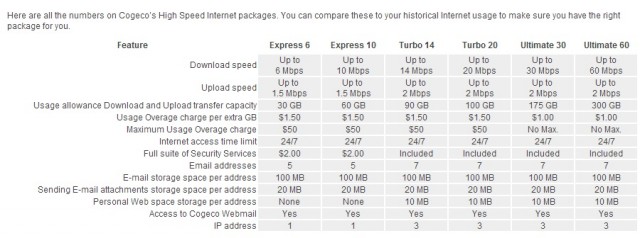

 Most existing clients have already had the benefit of a promotion on sign-up. As with all promotions, including the current new client promotions, they run for a limited time and the discounts they offer expire. We do have loyalty programs in place for existing loyal clients and we do offer existing clients the new promotions in cases where they may not have received anything when they signed up.
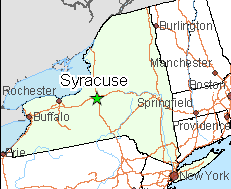 Time Warner Cable customers in central New York will face paying higher cable bills next month as the company boosts rates.