Subscribe
Sibley County's fiber future?
It takes a lot of chutzpah to vilify a community’s proposed fiber to the home network when you’ve managed to completely screw up the one you’ve acquired from another company, but Frontier Communications tries anyway.
Instead of relying on Frontier’s overpriced (and soon to be rationed) slow speed DSL from an earlier era, Sibley County, Minnesota is proposing a municipally owned fiber project that will bring much needed connectivity to area businesses, homes, and farms. Community Broadband Networks found a certain phone company in strong opposition. Frontier warned county officials not to make the mistake of delivering better service than they can provide themselves:
As a provider of telephone, internet, and video services to our customers in the Green Isle, Arlington, and Henderson areas, Frontier Communications is obviously interested in the “fiber to the home” proposal that has been presented. As a nationwide provider, Frontier is aware of other efforts by municipalities of various types to build and operate their own telecommunications network. While these proposals are always painted in rosy tones, it is important for officials to carefully review the underlying assumptions and projections that consultants make when presenting these projects. Unfortunately, history tells us that the actual performance of most of these projects is significantly less positive than the promises. Often times, these projects end up costing municipalities huge amounts of money, and negatively impact their financial status and credit ratings.
Frontier even “runs the numbers” on the county proposal. But Sibley County should carefully consider the source. This is the same company that couldn’t manage its fiber to home network it acquired with landline purchases from Verizon Communications. Instead, this month it dumped $30 rate increases on its fiber customers in the Pacific Northwest and Indiana.
Frontier has a vested interest in maintaining the status quo, which means leaving many rural Minnesotans with one choice for broadband: Frontier.
Of course the company opposes the county’s fiber project — they would be crazy not to, considering it will cost them many of their customers.
Cherry-picking a small percentage of the municipally-owned networks facing difficulties is just a scare tactic, and doesn’t prove their case. County officials should consider the growing number of projects that are a breath of fresh air for the communities they serve, all at no risk to taxpayers: projects like EPB in Chattanooga, Greenlight in Wilson, or Fibrant in Salisbury — both North Carolina.
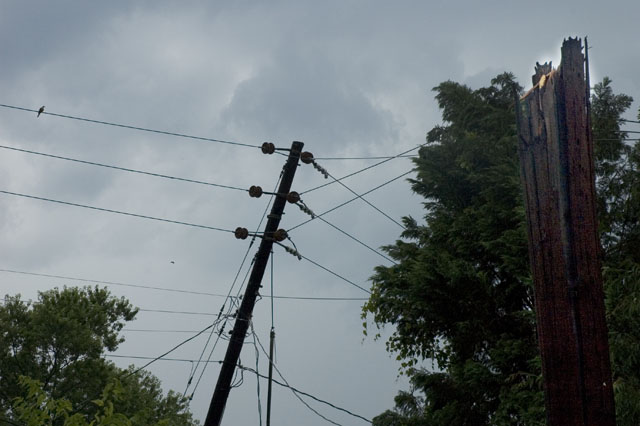
Or DSL past?
Those projects all faced the same provider-financed campfire scary stories, too — just because incumbent cable and phone companies didn’t want the competition.
When wild claims about failing projects don’t work, Frontier officials hilariously offered up this absurdity in a story in the Arlington Enterprise that ran Dec. 16.
“What we can do is provide the same speed of service as fiber can provide,” said Todd Van Epps, Frontier’s regional manager.
Really, on Frontier’s pre-existing, decades-old copper wire network? The same one that Frontier currently sells “blazing fast/up to” 3Mbps DSL service on for $50 a month?
In comparison, the fiber network proposed for Sibley County would deliver at least 20/20Mbps service for less than $50 a month. That fiber network is infinitely upgradable as well, with service up to 1 gigabit per second if a customer needed that much.
Our advice when dealing with Frontier’s promises: get them in writing.
When a company tells customers to throw away their Frontier FiOS fiber and switch to a competitor’s satellite television service or else pay $30 more per month for basic cable, their helpful advice about how to manage the fiber business should be taken with a grain of salt.