

 Subscribe
 Alaska-based GCI has rolled out a free upgrade for customers in Anchorage, Fairbanks, Juneau, Ketchikan, Mat-Su Valley, and Sitka that delivers broadband speeds up to 250/10Mbps.
GCI’s re:D broadband used to max out at 200Mbps, but thanks to channel bonding on the cable system, download speeds will be upgraded to 250Mbps in re:D service areas by the end of this year.
But getting 250Mbps broadband is not cheap in Alaska. The service is priced at $174.99 a month when part of a service bundle. Broadband-only customers also pay a $11.99 monthly access fee. Both come with 24-month contracts at that price. Customers who don’t want to be tied down can choose month-to-month service for $5 more per month.
At those prices, one might hope GCI would drop its usage cap, but customers can forget it. A 500GB monthly usage cap applies, with overlimit fees up to $30/GB on some plans.
GCI also announced it would deliver 1Gbps next year over a fiber to the home network under construction in Anchorage, promising “no limits with what you can do with broadband” without mentioning whether it planned usage limits for its fiber service as well.
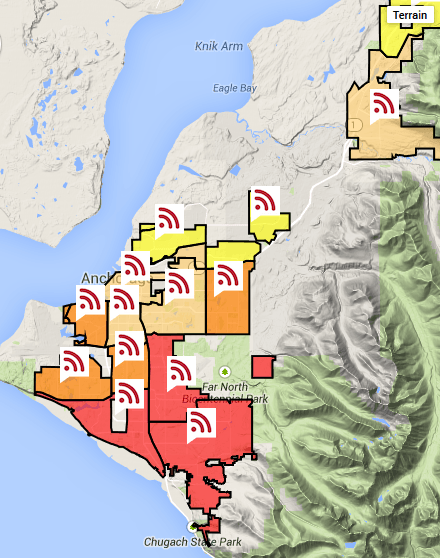
GCI is asking customers to vote support for their neighborhoods getting fiber upgrades. The more red sections of this map of Anchorage shows, the more customers who have shown support for fiber broadband.
For most GCI customers, however, broadband will continue to arrive over the company’s HFC coaxial cable network. To better manage speeds, the company’s DOCSIS 3 platform is bonding eight cable channels, but in re:D areas the company bonds up to 24 cable channels, with plans to increase to 32 channels.
 The speed increases come after its competitor Alaska Communications announced speed increases of its own. ACS sells unlimited access broadband service at speeds up to 50Mbps. ACS has beefed up its copper infrastructure to support faster Internet speeds, starting with 15Mbps introduced across the state in May. Now customers in Anchorage can subscribe to faster tiers including 30 and 50Mbps.
“Alaskans asked for faster Home Internet, and we’ve responded with these increased speeds, delivered with great customer service and without overage charges,” said ACS president and CEO Anand Vadapalli. “In addition to faster download speeds, customers choosing our product get the highest upload speeds that are so important for sharing videos and gaming.”
ACS has found its unlimited broadband offering attractive to customers who don’t want to worry about GCI’s overlimit fees. ACS also claims its customers get broadband over a dedicated line, not shared infrastructure like GCI, resulting in no speed slowdowns at peak usage times.
 Assuming Comcast doesn’t take over Time Warner Cable and change priorities, the city of Los Angeles is
  The first Gigasphere pilot test will begin sometime next year. But a Comcast takeover could shift priorities away from offering the kinds of broadband speeds Time Warner is providing under its TWC Maxx upgrade program. Time Warner’s Internet speeds in upgraded areas are now substantially faster and cheaper than what Comcast offers in its service areas. Comcast could decide to retire the broadband upgrade program altogether and settle on offering speeds comparable to what it already sells across much of its national footprint.
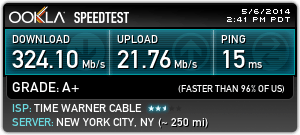 Time Warner Cable’s major broadband speed upgrade is alive in the Astoria, Woodside and Long Island City neighborhoods of Queens, N.Y.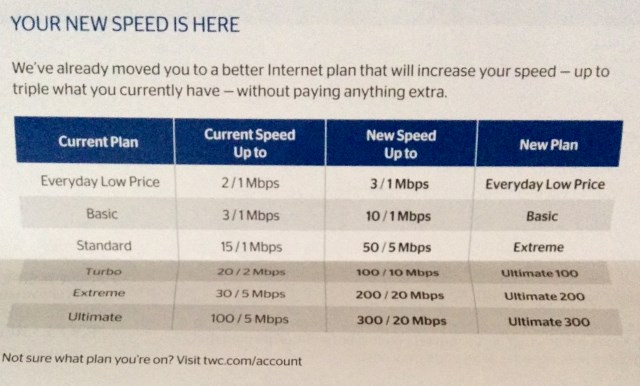
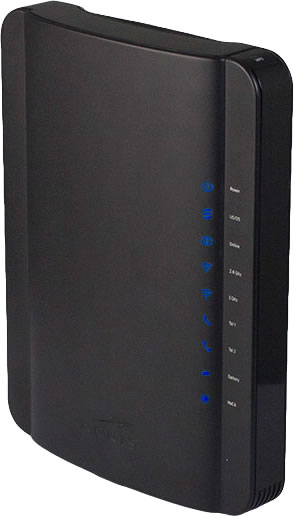
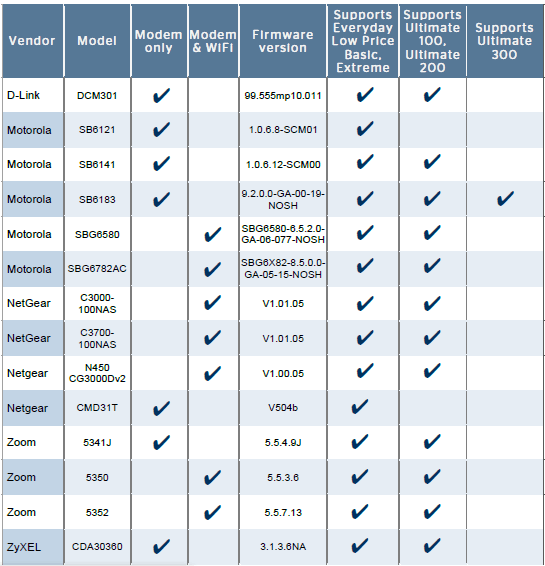
 Cox Communications Inc., the third-largest U.S. cable company, will offer gigabit broadband to residential customers later this year when it begins deploying DOCSIS 3.1 technology across its footprint.
 The National Cable & Telecommunications Association (NCTA), in collaboration with the Cable & Telecommunications Association for Marketing (CTAM), CableLabs, and Cable Europe, today announced the next generation of cable broadband — DOCSIS 3.1 — will be dubbed “Gigasphere” as its public name to demystify the technology for consumers.
 Gigasphere will help cable systems compete more effectively with fiber to the home broadband networks, although upstream speeds are still slower than what fiber can offer. By rebranding DOCSIS 3.1, cable operators hope customers will respond to future marketing efforts that promote the viability of cable-delivered broadband in light of growing fiber competition.