

 Subscribe
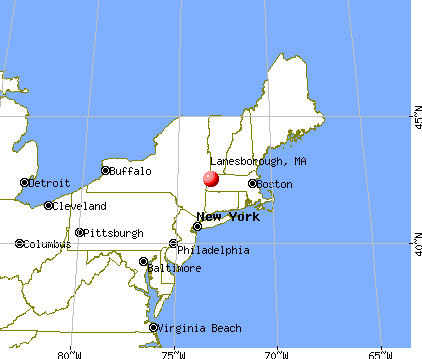 It is hard to imagine there are still cable systems serving customers with nothing more than a slim lineup of standard definition cable television channels in 2016, but not if you live in three Berkshire towns over the New York-Massachusetts border where Charter Communications will finally introduce HD television and internet service starting next week.
Lanesborough, West Stockbridge, and Hinsdale all suffer from the pervasive lack of broadband common across western Massachusetts. But these communities, along with Charter’s cable system in nearby Chatham, N.Y., are benefiting from regulator-mandated upgrades as a condition of approving Charter’s acquisition of Time Warner Cable. Charter Communications has almost no presence in New York, except for 14,000 customers in Plattsburgh and the seriously antiquated system in Chatham that isn’t too far from the dilapidated systems serving the Berkshires on the Massachusetts side of the border. Like in Chatham, customers in the Berkshires pay for service similar to what cable customers received in the 1980s – no video on demand, no internet access, and a capacity-strained system that lacks enough bandwidth to offer HD channels.
The upgrades will cost about $6,000 per customer — numbering 2,500 in Chatham and another 800 in the three towns in Massachusetts. Charter is paying the bill. Charter’s acquisition of Time Warner Cable will make things easier for the cable operator, because it will extend fiber connections between the Charter systems and existing Time Warner Cable infrastructure nearby.
In Massachusetts, Charter’s upgrades require customers to install new set-top boxes in time for the switchover on Aug. 2. A week later, on Aug. 9, internet access will be available at the two speeds Charter traditionally offers — 60 and 100Mbps.
Most customers care a lot less about improved cable television and are more concerned about getting broadband. Western Massachusetts’ broadband problems have affected property values and kept businesses from relocating or expanding in the area. Few areas in the northeast have languished with inadequate internet access more than Massachusetts communities west of Springfield.
The large consortium of 44 communities working under WiredWest have spent years working towards community-owned fiber to the home service in the western half of the state, but the project ran into political interference at the state government level. Lanesborough had been part of the WiredWest collaborative effort, reports iBerkshires. With Charter’s upgrade, the community may decide to drop out of the project, even though it would likely deliver superior broadband service over what Charter will offer.
 Charter Communications is promising its Southern California customers it won’t bungle the transition from Time Warner Cable to Charter Communications like Frontier Communications
  But not all customers are happy about Charter’s slow transition plans. Customers waiting for Time Warner Cable Maxx upgrades, some already in progress, may be out of luck. Charter’s new management team put an indefinite hold on Time Warner’s more aggressive upgrade plans in favor of Charter’s much more modest commitment to offer customers two broadband speed tiers – 60 and 100Mbps over the next 18 months. Customers in the northeast and midwest have been told there are no longer any definitive dates for the introduction of Maxx, which offers free speed upgrades up to 300Mbps.
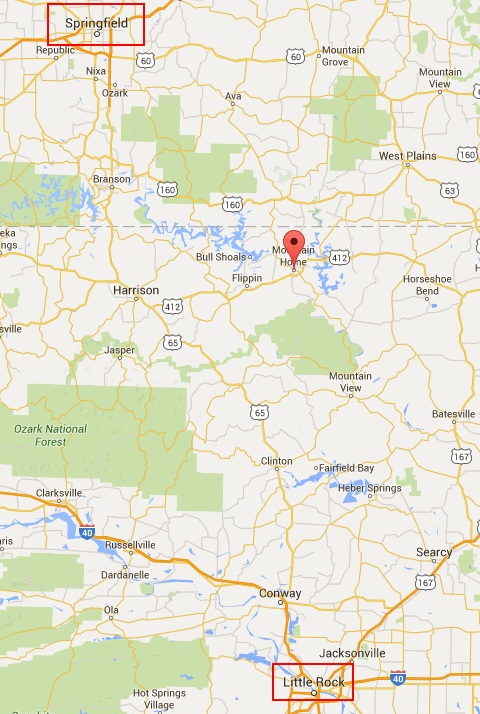
 Time Warner Cable subscribers in Otsego County, N.Y. have been able to watch WBNG-TV, the CBS affiliate in Binghamton, since there has been a cable company called Time Warner Cable. But as of yesterday, that is no longer the case. In Baxter County, Ark., Suddenlink customers suddenly lost KARK (NBC) and KTHV (CBS), two stations from Little Rock, after the cable company decided it would henceforth only carry KYTV (NBC) and KOLR (CBS) instead. Part of the problem for subscribers is those two stations are located in Springfield, Missouri, a different state.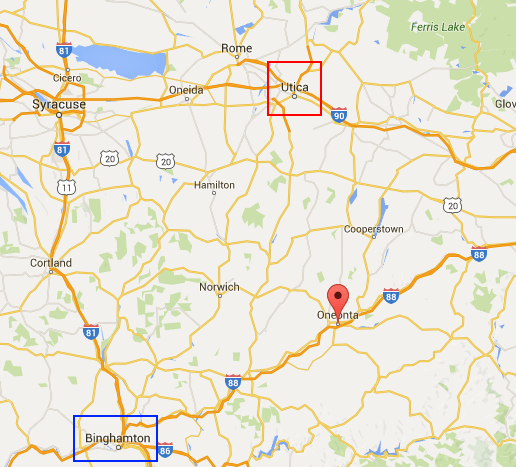
 Another cable company with cost-cutting fever is Altice-owned Suddenlink, which stopped carrying the two Little Rock-based broadcast stations in northern Arkansas on June 7, leaving KATV (ABC) as the only central Arkansas-based news outlet on the cable provider’s Mountain Home-area system.
 Suddenlink has standing orders from Altice to look for savings wherever possible, but none of those savings are returned to subscribers. The loss of the stations has not reduced anyone’s cable bill and Suddenlink recently moved TBS and INSP — a Christian cable network — to a more costly Expanded Basic tier. In place of the two networks dropped from the Basic package are home shopping networks that actually make Suddenlink money – Evine Live and Jewelry TV.
 Despite vociferous denials to New York regulators that Altice’s unique way of cost-cutting expenses in Europe would mean the same in the United States, a Suddenlink employee in the Appalachians found herself visiting a nearby Kroger supermarket recently to pick up some “forever” postage stamps after the office’s postage meter machine stopped working.
 When Altice took over Cablevision, employees were stunned when top executives dined in the staff canteen on their first day after the deal closed. That was never the style of former CEO James Dolan and other executives who avoided hobnobbing with anyone too far from the executive suites. Dolan himself often used a helicopter to travel back and forth from the office, occasionally with bodyguards.
 With a commitment to slash $900 million in expenses out of Cablevision alone during 2016, that’s a lot of discipline. Employees are echoing their French counterparts at Altice’s SFR-Numericable when they call life at Suddenlink and Cablevision “a culture of fear,” watching workers exiting each week without being replaced. Much the same happened in Europe, despite commitments not to engage in job-cutting. In both cases, Altice claims the slow but steady trickle of employee departures are “normal churn,” not layoffs.