

 Subscribe
Behind the 8 ball.
Intel has sold its never-launched Intel Media OnCue system, which planned to compete for cable TV viewers using online video, for a deeply discounted $200 million to Verizon Communications, according to media reports.
The would-be virtual cable competitor had initially put its technology up for sale for $1 billion but dramatically reduced its asking price to make a quick sale.
Intel proposed to launch its online competing cable system sometime this year, but pulled back after determining its business plan was untenable. The problem was programming costs — entrenched satellite, cable and phone company competitors receive substantial volume discounts off cable programming but an upstart like Intel would face much higher pricing.
The ongoing effort to establish usage caps or metering Internet usage has also been cited by other would-be competitors as a major deterrent to launch competing video ventures online which can chew up usage allowances.
Variety reports Verizon will use the Intel platform to launch a new TV Everywhere concept for its customers that will deliver the FiOS TV lineup online.
Intel also gets to solidify its working relationship with Verizon’s wireless unit.
 Residents in Los Angeles and San Diego join those in New York and Kansas City that can now receive local over the air programming on their home computer, tablet, game console, or Roku box. Time Warner Cable requires viewers to subscribe to both its television and broadband services to watch, and only from your home’s Wi-Fi network.
 The trend towards cable consolidation is no longer just limited to cable operators. Now programmers are looking to strengthen their position in cable carriage negotiations by building “must-have” packages of cable programming that could mean smaller independent channels could eventually get locked out.
 Discovery:
 Scripps:
 It’s happy days at Comcast’s marketing and public relations department. How does a cable company pocket an extra $1.50 a month from 21.6 million cable TV customers without facing the wrath of the masses? Blame it on greedy broadcasters and quietly bank up to $32.4 million a month in new revenue.
 Comcast isn’t promising this $1.50 fee covers the total cost of licensing local stations for cable carriage, and they have no plans for similar surcharges for cable networks that have also been known to ask for a lot at contract renewal time. Customers may not realize that in some cases, the local NBC station just so happens to be owned by Comcast-NBC, offering easy opportunities to boost the asking price without too much trouble from co-workers at Comcast Cable.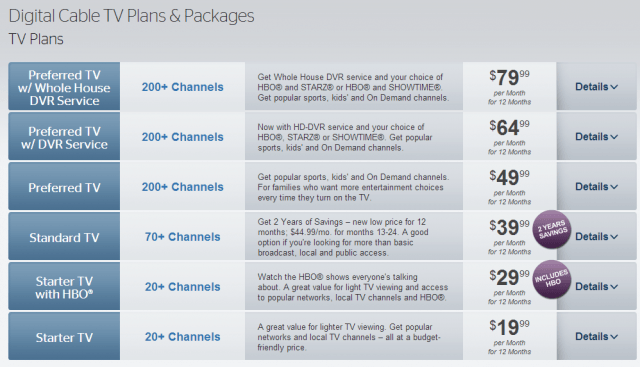
 Local ABC, CBS, NBC, FOX, PBS, and CW stations;