

 Subscribe
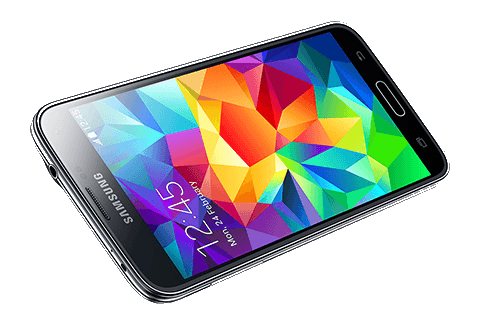 AT&T and Verizon Wireless are thrilled customers are moving away from subsidized smartphones, because both are raking in extra revenue they are not returning to customers with lower plan prices.
In the past, customers have usually chosen discounted new phones that come with a two-year contract. A smartphone that retails for $650 sells in the store for $199 or less, with the $450 subsidy gradually repaid through artificially high service plan prices over the length of the contract. The subsidy system didn’t hurt long-term revenues because the money was eventually recovered and contracts locked most customers into place for at least two years. But Wall Street has never been thrilled by carriers tying up subsidy money on the books for two years.
For a transition away from the subsidy system to be fair, providers need to lower plan prices enough to drop the subsidy payback. But neither AT&T or Verizon Wireless have done that.
AT&T customers choosing an $650 iPhone on contract under the subsidy system will pay $200 up front, a $36 activation fee, and $80 a month for a two-year plan with 2GB of data. Total cost: $2,156.
If you buy your own iPhone and finance it through AT&T, which most customers are likely to do, the cost is $65 a month for the service plan, no activation fee, and a device installment payment plan of $32.50 a month for 20 months. Total cost: $2,210 or $54 more than the subsidized plan costs.
 Verizon Wireless is a bigger taker.
Sign a two-year contract with Big Red for that same phone and 2GB plan and you will pay $200 up front, an activation fee of $35, and $75 a month for the service. That adds up to $2,035. Buying a no-contract iPhone without a subsidy costs $27 a month for the installment plan, no activation fee, and $65 a month for the service. That totals $2,210, $175 more than a subsidy customer pays.
Big spending-customers can realize some further savings by upgrading to plans with a bigger data allowance, but those plans won’t make sense if you don’t use up your allowance.
Both companies claim the unsubsidized plans save customers money, but they actually don’t for most because neither lowered plan rates enough and are now pocketing the difference. Verizon and AT&T also argue customers don’t have to pay several hundred dollars up front for a phone, which is true, but they will pay more for it over time. It is also true these unsubsidized plans allow for earlier upgrades, but customers are paying for that privilege.
It’s hard to say whether AT&T and Verizon Wireless will pay fair value for old phones as customers choose to upgrade. If they don’t, customers could effectively hand both companies even more money through undervalued trade-ins.
At least 40 percent of AT&T customers are choosing the unsubsidized route through AT&T Next and the company couldn’t be more pleased.
In a conference call with investors this week, AT&T’s chief financial officer told analysts wireless service margins were up to 45.4%, with AT&T Next having a positive impact on that margin.
John Stephens noted that with the retail price of smartphones being in the $600-650 range, more customers are being convinced to sign up for AT&T’s handset insurance plan, which provides AT&T with two benefits. First, the insurance earns AT&T more than it pays out in claims and second, devices returned under the insurance program are refurbished and then sent to other AT&T customers filing claims in the future.
Tim K. Horan from Oppenheimer & Co., Inc. believes AT&T’s total subsidy expenses/internal costs are around $400 for a subsidized phone but only $100 for a phone sold on the Next unsubsidized installment plan.
With competition from T-Mobile starting to have an impact on both companies, AT&T and Verizon Wireless have plenty of room to further lower their rates and still come out ahead.
 AT&T has usage capped its heavily promoted U-verse GigaPower fiber to the home service at 1TB a month, according to
  The New Jersey Board of Public Utilities today
  While AT&T trumpets vague plans to upgrade up to 100 cities with gigabit fiber to the home service, some AT&T GigaPower U-verse customers in Austin wish they could just consistently get the 300Mbps service they were promised.
 “I upgraded to GigaPower last December and since then, the service started getting disconnected multiple times per week,” wrote ybasha. “Sometimes it lasts a few minutes and sometimes longer. When that happens, I lose Internet and TV service. I called technical support multiple times. They sent technicians twice. One of them swapped the modem, but I still have the problem.”
 AT&T GigaPower is supposed to offer 300/300Mbps service today with an upgrade to gigabit Internet forthcoming later this year. But not every customer comes close to getting those speeds.
  Kim R. in Cedar Falls, Tex. isn’t happy either:
 Comcast will increase capital spending in the first half of 2014 to hasten the rollout of its advanced X1 set-top boxes and new wireless gateways that provide public Wi-Fi from customer homes.

 Although Comcast’s first quarter capital expenditures increased $51 million (or 4.6%) to $1.1 billion (10.6% of cable revenue versus 10.7% in the first quarter of 2013), the cable company returned even more money to shareholders. In the first quarter, the company boosted return of capital by 35% to $1.3 billion. Comcast repurchased its own shares of stock totaling $750 million and paid $508 million in dividends for the quarter.