

 Subscribe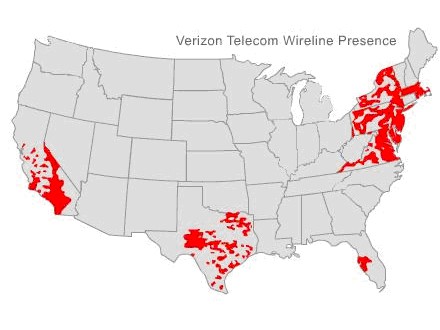
Verizon’s landline coverage map.
Verizon is working on a sale of its cellphone towers and a portion of its landline assets in a series of deals that could fetch the company more than $15 billion, according to a breaking report in the Wall Street Journal.
The company is looking to raise cash to pay down debt incurred when it bought out Vodafone’s 45% share of its wireless unit and to cover $10.4 billion in wireless licenses the company just won in a government auction last week.
The most likely targets in a landline sale are Verizon territories outside of the northeast.
Verizon has already dumped its landline assets in Hawaii (sold to Hawaiian Telcom), northern New England (sold to FairPoint Communications), West Virginia and many smaller city and suburban territories acquired from GTE (all sold to Frontier).
In its 2010 sale to Frontier, Verizon retained assets in the Tampa-St. Petersburg area, central Texas and Southern California regions. But now all three states are prime targets for a sale. Likely buyers include Frontier Communications, which already has a major presence in Florida including a national call center, and CenturyLink, which acquired Qwest and has a large service area in the southwest and western United States. Frontier remains the most likely buyer, having aggressively expanded its landline network in legacy AT&T (Connecticut) and Verizon service areas.
Verizon CEO Lowell McAdam has shown little interest in maintaining Verizon’s wired assets or growing FiOS and has been willing to sell off major parts of Verizon’s landline network to continue prioritizing Verizon Wireless. McAdam led Verizon Wireless from 2006-2010, before being named CEO of Verizon Communications.
 He foreshadowed the forthcoming landline sale in January when he told an investor conference he was willing to make significant cuts to Verizon’s wired networks.
“There are certain assets on the wireline side that we think would be better off in somebody else’s hands so we can focus our energy in a little bit more narrow geography,” he said at the time.
Verizon is also expected to follow AT&T’s lead in selling off much of its cell tower portfolio. It will lease access to the towers it sells.
Verizon maintains FiOS networks in Texas, California, and Florida, but that is not expected to deter the company from selling its landline assets. Frontier acquired Verizon FiOS properties in the 2010 sale in both the Pacific Northwest and Indiana. Those services operate under the Frontier FiOS banner today.
 Are you still paying $15+ for HBO and $13+ for Cinemax? Stop.
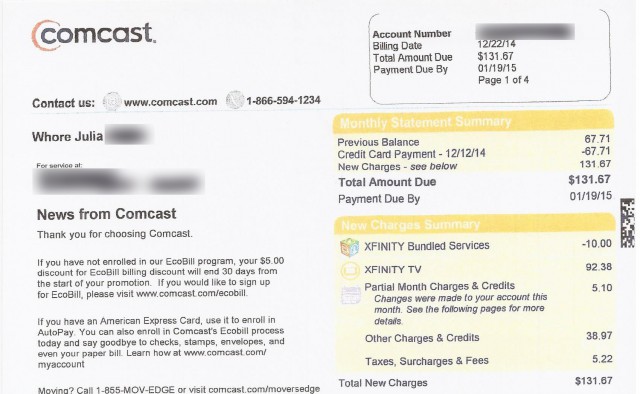
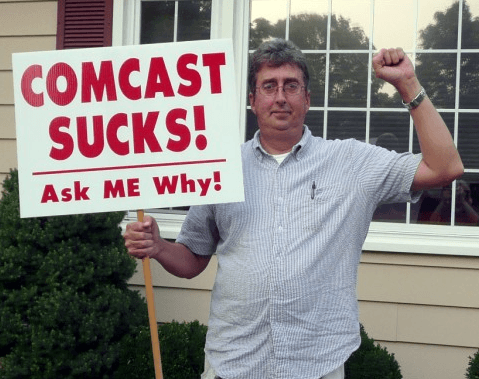 That paragon of virtue Comcast is back in the news again with yet another customer service horror story.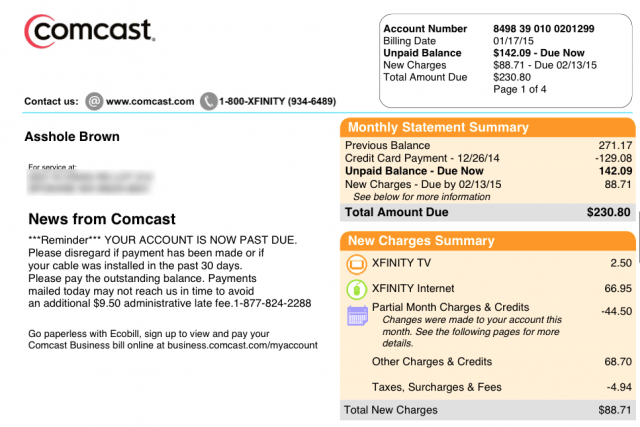
 Time Warner Cable plans to reach 75 percent of its customers with Maxx service upgrades offering broadband speed boosts up to 300/20Mbps for the same price it charges for 50Mbps by the end of 2016, assuming a merger with Comcast does not result in the plans being shelved.
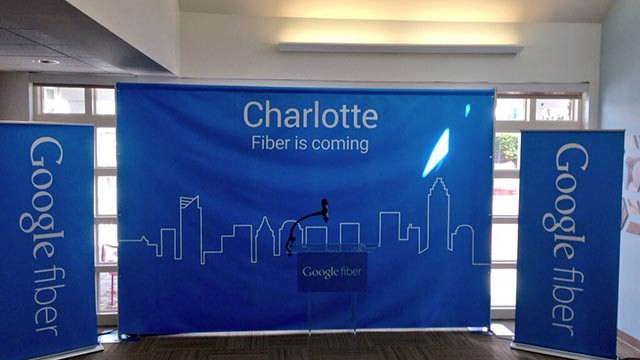
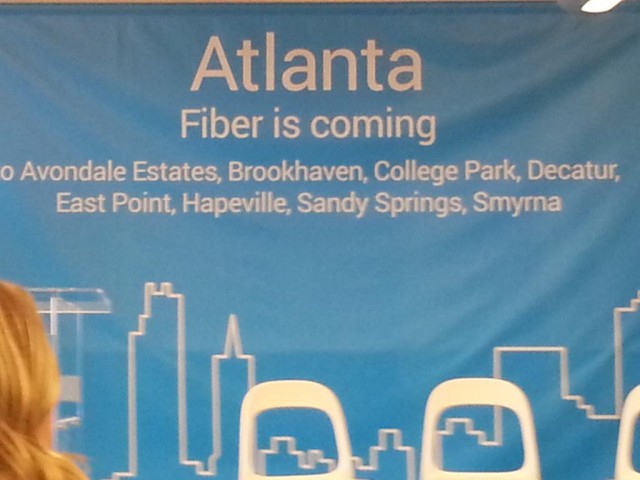 Google has announced it will bring its fiber broadband service to four new cities — Atlanta, Charlotte, N.C., Raleigh-Durham, N.C. and Nashville, Tenn., according to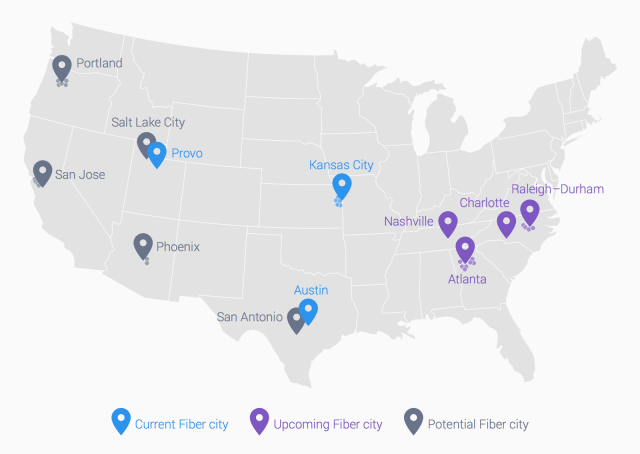
 Google officials have also been reportedly sensitive to local government red tape and regulation. In Portland, the Journal reports Google has put any fiber expansion on hold there because Oregon tax-assessment rules would value Google’s property based on the value of their intangible assets, such as brand. That would cause Google’s property taxes in Oregon to soar. Until the Oregon state legislature makes it clear such rules would not apply to Google Fiber, there will be no Google Fiber in Portland.