Subscribe
 Stall, stall, stall. While Charter Communications and AT&T are working towards improving their broadband service offerings for Kentucky’s largest city, both companies are doing everything possible to slow down the arrival of their nemesis: Google Fiber, which is preparing to wire Louisville for gigabit fiber to the home service.
This past February, Louisville Metro Council unanimously passed a new ordinance called “One Touch Make Ready,” designed to streamline telecom provider access to utility poles, which are getting crowded with at least three telecom companies vying for consumers’ business. The ordinance was passed with the support of Google, which seeks a minimum of red tape from local permit and zoning bureaucracies and its competitors while network engineers begin installing fiber optics across the city. Installing Google Fiber on utility poles may involve moving other providers’ wiring to make room for Google, which in some cases could mean 4-5 different utility companies having to visit each pole to move their wiring. In the past, Google asked the pole owner for access, which has not always been forthcoming on a timely basis. The new ordinance requires the pole owner to respond to access requests within 30 days. If no response is forthcoming, Google can approach the city for a permit to hire a contractor to do all the relocation work on their behalf.
“Such policies reduce cost, disruption, and delay, by allowing the work needed to prepare a utility pole for new fiber to be attached in as little as a single visit—which means more safety for drivers and the neighborhood,” Google wrote on its blog. “This work would be done by a team of contractors the pole owner itself has approved, instead of having multiple crews from multiple companies working on the same pole over weeks or months. One Touch Make Ready facilitates new network deployment by anyone—and that’s why groups representing communities and fiber builders support it, too.”
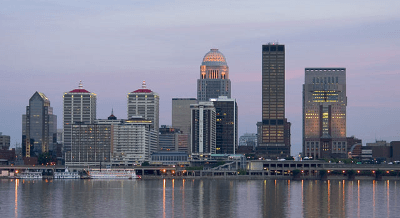
Louisville, Ky. (Image: Chris Watson)
About two weeks after the ordinance passed, AT&T made it clear they did not support it and took the city to court, claiming it had no right to regulate its utility poles.
“Louisville Metro Council’s recently passed ‘One Touch Make Ready’ Ordinance is invalid, as the city has no jurisdiction under federal or state law to regulate pole attachments,” said AT&T spokesman Joe Burgan. “We have filed an action to challenge the ordinance as unlawful. Google can attach to AT&T’s poles once it enters into AT&T’s standard Commercial Licensing Agreement, as it has in other cities. This lawsuit is not about Google. It’s about the Louisville Metro Council exceeding its authority.”
Time Warner Cable (now Charter Communications) joined AT&T, adding the city is violating the cable company’s corporate constitutional rights by effectively seizing their property (cable lines) and granting a right for third parties to manipulate, move, or manage those lines without Time Warner Cable’s permission.
“The ordinance is simply unworkable,” said Time Warner Cable’s attorney Gardner Gillespie, a partner in the D.C. law firm Sheppard-Mullin. “It does not provide any meaningful way for Time Warner Cable to know what changes have been made to its existing facilities or to assure any damage is promptly cured.”
 Gillespie also claimed customers could endure poorer service and outages as a result of unauthorized contractors relocating Time Warner Cable’s equipment, often without the cable company’s knowledge.
City officials dismissed the concerns, but failed to get either lawsuit dismissed.
Charter executives have also opened a new opposition front against Google Fiber’s presence in the city, accusing city officials of unfairly favoring the search engine giant while continuing to burden Charter with a franchise agreement that requires the cable company to provide free cable in city buildings and offer channel space and studio facilities for the city’s Public, Educational, and Government Access channels.
At present, Google is not obligated to provide any of those services and has also won a unique regional franchise that covers the city of Louisville and nearby suburbs in a single agreement. The Metro Council has also granted Google its own public right-of-way access for installing various communications infrastructure. Both AT&T and Charter claim they are only getting involved because they believe they should be given equal treatment. Critics contend they are attempting to slow down Google Fiber, which could begin offering service by fall of 2017.
Time Warner Cable began offering Maxx-upgraded service in March 2016, offering residents up to 300Mbps. AT&T is gradually expanding its U-verse with GigaPower gigabit broadband service in locations around Louisville.
 It wasn’t difficult to understand Verizon’s sudden reticence about continuing its fiber to the home expansion program begun under the leadership of its former chairman and CEO Ivan Seidenberg. Starting his career with Verizon predecessor New York Telephone as a cable splicer, he worked his way to the top. Seidenberg understood Verizon’s wireline future as a landline phone provider was limited at best. With his approval, Verizon began retiring decades-old copper wiring and replaced it with fiber optics, primarily in the company’s biggest service areas and most affluent suburbs along the east coast. The service was dubbed FiOS, and it has consistently won high marks from customers and consumer groups.
 Altice’s bean counters have completed the first wave of cost cuts as part of the company’s notorious practice of “cutting to the bone,” laying off about 100 Cablevision employees managing IT, human resources, accounting and other back office operations at the cable company’s Bethpage, N.Y. headquarters.
 Washington State Attorney General Bob Ferguson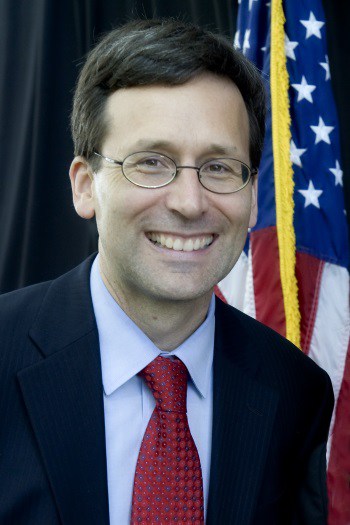
 Comcast allegedly facilitated the service call charges until approximately June 2015 by encouraging technicians to use a service call “fix code” that permitted Comcast to “add service charges to a normally not charged fix code.” That allowed technicians to properly track Comcast’s own network troubles yet still charge customers to roll a truck to their home, even when the service call should have been free.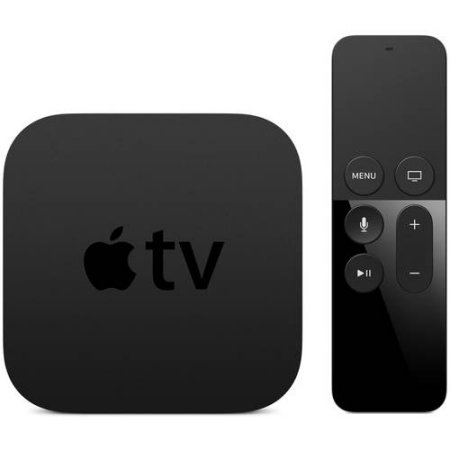
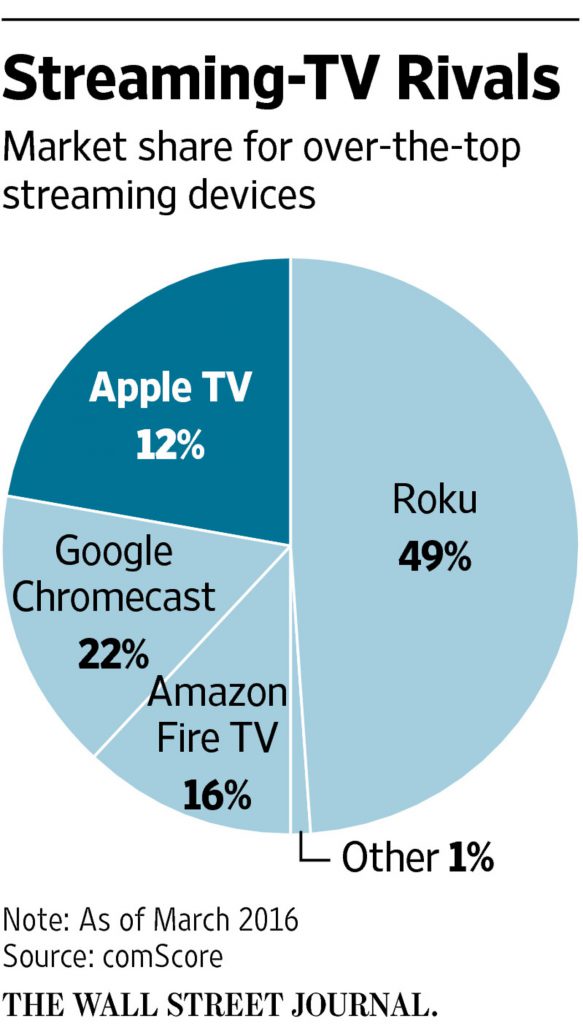 This time, Apple sought money from the cable companies, not the other way around. Cable operators were told they would need to pay $10 a month per subscriber to Apple, with no guarantee that fee would not increase in the future. Just as concerning was Apple’s insistence that subscriber authentication would require customers to use their Apple IDs, a departure from the cable industry’s push to adopt TV Everywhere, where customers could unlock streaming video from any cable network simply by logging in with the username and password they set up with their pay TV provider. Apple was also characteristically secretive about their user interface and left cable industry executives flummoxed when they asked Apple to sketch out what the service would look like on a napkin. An Apple official would only respond that their interface would be great and “better than anything you’ve ever had.” The fact Apple refused to answer the question did not go unnoticed.