

 Subscribe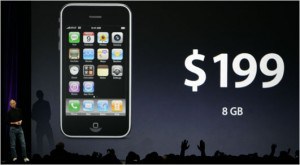
From $199 to much more, Apple & AT&T expect premium prices for iPhone addicts.
High demand for a product often carries a premium price to acquire and use it. The Apple iPhone, one of those few mobile products that can generate lines extending out the door of a retailer, is one such product. AT&T Mobility, which still holds an exclusive contract with Apple for iPhones in the United States, has made it clear it will not be making any price changes to its wireless data plans with the introduction of the Apple 3G S on June 19. Speculation about lower pricing started with AT&T Mobility CEO Ralph de le Vega, who spoke at a conference last month indicating he was amenable to “limited data plans for lower fees.” That message was soon modified into a more generic ‘price cut’ as the story traveled.
“We’ve been very happy with our pricing,” AT&T spokesman Mark Siegel told Dow Jones Newswires.
AT&T already charges a pretty penny for iPhone users on their network. Customers signing up for service face a minimum voice plan of 450 minutes for $39.99. An “unlimited” data plan, required for the iPhone, adds $30 per month. AT&T claims the average iPhone customer spends about $90 per month for voice and data. The company also reserves the right to crack down on excessive data usage and limits some applications.
Should de le Vega’s tolerance of limited data plans become reality, plans with more specific usage limits may be forthcoming, at a moderately discounted price.
AT&T has had a bad week in the public relations arena, as current iPhone owners continue to object to the full-price upgrade price they may have to pay if they are in a two year contract. Thousands have signed a Twitter petition and have filled AT&T’s online support forums with complaints about AT&T “price gouging” loyal customers.
AT&T has enjoyed significant revenue from their exclusive arrangement with Apple. But iPhone users are dedicated to their combination phone and data device, and try to get their money’s worth. That has put pressure on AT&T’s network, and despite the company’s revenue from its premium priced plans, has been criticized for not keeping up with that demand.
Verizon Wireless, AT&T’s biggest competitor, trashed AT&T’s proposed upgrades as inadequate:
Verizon Wireless CEO Lowell McAdam characterized AT&T’s promises as “too little too late”. He said that AT&T’s “ceiling for their network will be the floor for our network.” McAdam called AT&T’s announcement on its network upgrade old news—about a year old. He also noted AT&T’s promises to upgrade speed are spin.
 The United Kingdom is the latest country to face the downside of arrogant Internet service providers throwing hissyfits when people actually use their broadband connections. When broadband service providers entice investors with promises of fat returns, assuming most people won’t actually use those high speed connections for anything except web page browsing and e-mail, they get mighty upset when they catch their users watching online video instead.