Subscribe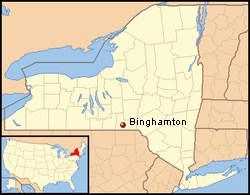
The city of Binghamton, NY offers free Wi-Fi service to its residents
The city of Binghamton, in southern New York, had an innovative idea in 2008 — to offer citizens free wireless access to the Internet across the entire downtown region, with the help of a private-public partnership. More than 20 “access points” were installed by the city and Plexicomm, LLC, a private partner in the venture. The Binghamton WiFi service launched last summer and has caught on like wildfire.
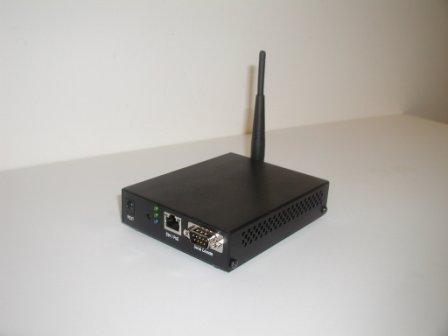
Binghamton WiFi Repeater helps extend the network
In addition to its popularity, which has tripled since 2008 with more than 82,000 logins, it’s also affordable. The city of Binghamton pays just $3,650 a month on a two year contract, with some of that cost recouped with advertising that users see when first logging into the service. The state also covered 50% of the cost for the first year. It’s also unique, because the city encourages area businesses and residents to consider helping spread the reach of the network with the purchase and installation of their own wireless repeater, priced at $199. Wi-Fi signals are generally better outside than indoors, but businesses can add the wireless repeater, placing it near a window or door, and make that signal available to customers located well within the building.
Apartment owners and even charitable consumers who believe in sharing the good fortune of free Internet are purchasing and installing repeaters to improve reception for their tenants or neighbors. In addition to the “viral network” of Internet enthusiasts sharing and expanding the network independently, the city has also been able to afford officially extending the network with additional rooftop wireless “access points.”
The project has enthusiastic support from city officials, who continue to dedicate resources to it even while other city services come under review for budget cuts.
It also allows the city to get important civic and public information out to city residents who use the service.
Binghamton’s Wi-Fi business model is based on the premise that the most successful Wi-Fi public-private partnerships are free and open to the public, sustained with “captive advertising” as customers login to the service. Customers are forced to view ads for 15-30 seconds while logging in, giving advertisers a better chance of having their messages seen by the online user.
The service is also not designed to directly compete with private providers, which include Time Warner Cable’s Road Runner service and Verizon DSL. Although the maximum speed of the network is comparable to DSL – up to 3Mbps downstream and 768kbps upstream, Wi-Fi can suffer signal-related slowdowns as well as congestion. The service is designed for web page browsing and e-mail, and light access of higher bandwidth applications such as online multimedia.
Several videos detailing the ongoing development of Binghamton WiFi can be found below the jump.