AT&T U-verse Celebrates 2 Million Customers With New 24Mbps Speed Tier in Austin, San Antonio, and St. Louis

Phillip Dampier December 9, 2009 AT&T, Broadband Speed, Competition 5 Comments

att truckAT&T’s hybrid fiber-copper wire U-verse system added its 2,000,000th customer today and has announced a new speed tier in three of the company’s markets: Austin and San Antonio in Texas and St. Louis, Missouri.

The new High Speed Internet Max Turbo plan signals two things about AT&T’s broadband service — it can squeeze a bit more speed out of its more advanced VDSL network and it’s running out of clever names for its premium speed tiers.  The new plan is capable of achieving up to 24Mbps downstream and 3Mbps upstream, which is still not enough to compete with Time Warner Cable and Charter Cable’s DOCSIS 3 cable modem technology, but could be enough for many consumers.  The new plan is priced at $65 a month for residential customers who also receive other AT&T services, and $95 a month for business customers.  Many small business customers choose DSL service over cable modem technology because of installation costs, which can be prohibitive if an office park is not already wired for cable service.

AT&T added one million new customers in 2009 across 22 states where it provides service.  U-verse is still a work in progress in many areas where AT&T is slowly upgrading its facilities to deliver service. U-verse competes primarily with cable televisi0n, using a “bundled service” approach that tries to sign up customers for a complete line of telecommunications products.

Besides the alternative cable television service AT&T provides, more than 90% of customers also take U-verse’s broadband service.  It’s a major improvement over AT&T’s traditional DSL service, which is much slower and less reliable in providing promised speeds.

A U-verse installer wires up a new customer's home for service

A U-verse installer wires up a new customer's home for service

AT&T counts these milestones for 2009:

  • Launched 13 U-verse TV apps, bringing the total number of TV apps to 21 and giving U-verse TV customers control and interactivity with their favorite content. Two of the most recent app additions include Multiview, which lets you watch up to four channels at one time on your TV screen; and Santa Tracker, which lets families visit the North Pole to play holiday games, listen to sing-a-longs, follow Santa around the globe on Christmas Eve and more.
  • Added more than 25 High Definition (HD) channels, bringing the U-verse TV HD channel lineup to more than 110 HD channels in every U-verse TV market. AT&T claims U-verse offers more HD channels than major cable providers in every U-verse TV market.
  • Enhanced the company’s Digital Video Recorder to include Mobile Remote Access for the iPhone, an app that allows you to schedule and manage DVR recordings and search U-verse TV program listings from your iPhone. AT&T also added the capability to schedule and delete recordings from any U-verse connected TV in the home.
  • Improved speeds on its broadband service by launching Max Turbo. AT&T also upgraded U-verse High Speed Internet Max customers by increasing speeds from up to 10 Mbps to up to 12 Mbps — a 20 percent speed increase at no extra charge.
  • Expanded U-verse availability in the Southeast region. U-verse TV is now available in all 22 states of AT&T’s traditional footprint, and the advanced fiber network passes more than 20 million living units.
  • Ramped U-verse Voice availability. U-verse Voice is now available in all 120 markets that offer U-verse TV, giving consumers another option for their home phone services and more quad-play integrated features.
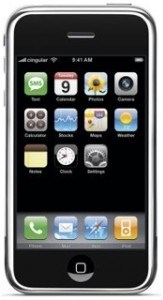
iPhone Users: Your Unlimited Ride Pass on AT&T Is About to End

Apple iPhone

Apple iPhone

AT&T Mobility, the still-exclusive provider of Apple’s iPhone in the United States, is floating trial balloons about the imminent end of “unlimited data” plans for iPhone customers.  Although the company has always defined their wireless broadband service as “unlimited” even though the fine print says they really mean “up to 5GB of usage per month,” the mandatory data plan forced on iPhone customers has retained its “unlimited means unlimited” definition.  We’ve never verified a customer thrown off of AT&T’s network for using too much data on their iPhone.

AT&T has managed the iPhone as both a success story and a major challenge to its network.  People will go to all sorts of trouble to acquire and keep an iPhone, including putting up with less 3G coverage and more congestion-related dropped calls and other service problems in some larger cities.

Considering the enormous revenue boost the iPhone has brought to AT&T, customers might wonder why the company simply doesn’t pour additional money into building more network capacity.  AT&T Mobility CEO Ralph de la Vega doesn’t agree.

He believes the answer isn’t going to be found in just upgrading AT&T’s network.  Instead, he wants to implement an Internet Overcharging scheme like consumption billing and do away with the “unlimited” plan altogether.

AT&T claims that three percent of smart phone customers consume 40 percent of network capacity, a substantial percentage if compared with the amount of data a mobile broadband dongle can help a laptop or netbook consume.  Of course, those numbers are AT&T’s and do not come with independent verification.

For de la Vega, consumption pricing “is inevitable.”  That allows AT&T to reduce demand on its network and manage upgrades at a level more comforting on that quarterly financial report.

“What’s driving [high] usage are things like video or audio that plays around the clock,” de la Vega said at an analysts conference. “We have to get to those customers and get them to recognize they have to change their patterns, or there are things we will do to change those patterns.”

Customers forced to ration their usage with the threat of a higher bill can work… for AT&T.

AT&T may be about to test the limits of the iPhone enthusiast.  After all, they’ve already been pushed into a two year contract for a premium-priced phone, enrolled in a high priced service plan with a compulsory data package add-on, and have to live with AT&T’s less-than-stellar coverage in several areas.  Will AT&T be able to punish its customers further by taking away their unlimited data plan and replace it with consumption billing and see if they’ll break?

We’re likely about to find out.

AT&T wants to embark on a part-conservation, part-education campaign to get customers to reduce usage.

“We need to educate the customer … We’ve got to get them to understand what represents a megabyte of data,” de la Vega says. “We’re improving all our systems to let consumers get real-time information on their data usage.”

That’s the AT&T version of the gas gauge, the usage meter that means more profits for them and less service for you.

A question customers might want to ask Apple and AT&T: If the sole provider of the iPhone in the United States is a hard luck case of an over-congested network and an inability to invest profits to expand it, perhaps it’s time that exclusive contract comes to an end, allowing other mobile providers to ‘share the burden.’  Then customers can decide if AT&T’s rationing, consumption billing, and education campaign is right for them.

Verizon Agrees To Refunds for New Jersey Customers Over Deceptive FiOS Advertising

Phillip Dampier December 9, 2009 Public Policy & Gov't, Verizon, Video Comments Off on Verizon Agrees To Refunds for New Jersey Customers Over Deceptive FiOS Advertising
Anne Milgram

Anne Milgram

Verizon New Jersey has agreed to a settlement to resolve a lawsuit resulting from its marketing, sales, billing and customer service practices regarding its FiOS television, telephone and Internet services. The agreement, made by Verizon with Attorney General Anne Milgram and the Division of Consumer Affairs, requires Verizon to pay $795,000 in civil penalties to the state and reimburse attorneys’ fees and investigative costs.  Verizon will also provide 1,160 consumers who filed complaints about the company with a $50 prepaid gift card or allow consumers to terminate their FiOS service without an early termination fee.

“Companies must deliver services at the terms advertised and represented to consumers. This settlement demonstrates Verizon’s commitment to do right by its customers and to adhere to our consumer protection laws and regulations,” Milgram said.

fiosThe action, originally brought by the New Jersey Attorney General’s office this past March, came in response to complaints from state residents who failed to receive promised flat-screen televisions offered as part of a sign-up promotion the company ran last year.  The company was also accused of running advertising campaigns quoting prices that did not come close to reflecting the actual total cost of service.  The Attorney General also documented instances of setup and installation fees that were promised to be waived by Verizon representatives, but were billed anyway.

[flv width=”600″ height=”356″]http://www.phillipdampier.com/video/WABC New York Verizon FiOS Ads Deceptive 3-18-09.flv[/flv]

WABC-TV New York ran this report on March 18th exploring the Verizon FiOS problems leading to the New Jersey lawsuit. (2 minutes)

“Consumers want crystal clear television when they sign up for FiOS and they deserve a crystal clear explanation of service terms and conditions,” David Szuchman, Consumer Affairs Director, said. “This settlement ensures that consumers will get what they are promised when signing up for FiOS service.”

Verizon representatives said the debacle over the flat-panel television promotion occurred when a larger than anticipated demand for FiOS depleted their inventory.  The company indicated it is willing to work with consumers to get them the promotional products promised.  Going forward, as part of the agreement, the company will be certain the inventory levels of promotional gifts are better tied to expected demand, and substitute items of equal or greater value when necessary.

The company will also end its practice of charging consumers a different price than that quoted in advertisements or door-to-door sales. Consumers will no longer be charged an activation fee following a sales representative’s waiver of such a fee. An estimated first bill will also be reviewed with the consumer at their time of ordering. The consumer will also be advised of any estimated pro-rated amounts, one-time and monthly charges, taxes and fees.

Customers who order FiOS service through Verizon’s customer service centers will be sent a copy of their estimated first bill through email or first-class mail within seven days of ordering FiOS service and provided a toll-free telephone number for consumer inquiries as to FiOS service, FiOS promotions and promotional gifts, customer service and assistance, billing and other services.

[flv width=”600″ height=”358″]http://www.phillipdampier.com/video/WPVI Philadelphia Verizon FiOS Sending Refunds 12-08-09.flv[/flv]

WPVI-TV Philadelphia covers the settlement between the New Jersey Attorney General and Verizon New Jersey over it’s problems with FiOS service. (1 minute)

Telecom New Zealand Fined For Misleading Customers With “Unlimited” Broadband Offer That Heavily Throttled Speeds

Phillip Dampier December 8, 2009 Broadband Speed, Data Caps, Telecom New Zealand, Video 2 Comments
New Zealand Telecom

Telecom New Zealand

Telecom New Zealand, Ltd. (TNZ) has been fined $352,600US for claiming one of their broadband plans offered “unlimited data usage and all the internet you can handle,” and then promptly throttled speeds to just above dial-up for some users.  The company pled guilty in Auckland District Court to 17 charges brought against it for misleading customers. Under the New Zealand Fair Trading Act, companies must be honest with customers about what their products and services deliver, and may not engage in “gotcha” fine print that radically departs from the marketing campaign for the service on offer.

The case stems from claims made in 2006 that TNZ’s Go Large broadband plan included “unlimited data usage and all the internet you can handle.”  Customers who flocked to the Go Large plan soon discovered “unlimited” meant “limited.”  Customer complaints rolled in when subscribers discovered the plan’s broadband speed was heavily throttled by “traffic management” which dramatically reduced speeds for file sharing networks and other downloading during peak usage times.  Many complained Go Large’s throttled speeds were slower than those on their usage-capped former Telecom plans.

Customers wading through the fine print finally discovered the reason for the terrible speeds.  The company disclosed it used “traffic management” technology to artificially lower speeds during peak usage times and for certain applications that used a lot of bandwidth.  In December 2006 the company quietly expanded that fine-print to broaden the use of traffic management on certain Internet applications to lower speeds at all times of the day and night for every customer.  This for a plan that promised unconstrained speeds.

New Zealand’s Commerce Commission was not impressed and accused the company of not disclosing relevant information to customers, and failed to make sure their service lived up to its marketing hype.

Telecom stopped offering the now-infamous Go Large plan in February 2007, and rebranded it Big Time.  The latter plan continues to offer “unlimited usage” but more clearly discloses the traffic management policies that limit customer speeds.

The company has already paid $8.4 million in refunds to nearly 97,000 customers, and has agreed to an additional $44,000 in reparations to nearly 2,000 additional customers.

Company officials apologized for the misleading advertising, stating “we failed to adequately disclose various qualifications for our plans and we apologize for this.”

[flv width=”480″ height=”292″]http://www.phillipdampier.com/video/nzbroadband.flv[/flv]

Telecom New Zealand’s Big Time plan ($43US per month – add $7US per month if you do not use TNZ for home phone service) doesn’t promise any particular speed, just unlimited use. New Zealand gets two choices: usage capped or speed throttled broadband.  Watch this video and ponder what it would be like to get stuck with this kind of service from your broadband provider. (3 minutes)

AT&T Faces Class Action Lawsuit Accusing DSL Provider of Capping Internet Speeds Well Below Those Advertised

Phillip Dampier December 8, 2009 AT&T, Broadband Speed 5 Comments

attAT&T’s DSL customers are promised high speed service that can never be delivered thanks to speed caps and dishonest marketing.  That is the premise of a lawsuit filed against AT&T way back in 2005 in St. Louis County Circuit Court.  After years of languishing, the lawsuit has recently been certified a “class action,” which means it could eventually expose AT&T to thousands of settlements with DSL customers all the way back to 2000 in Missouri, Kansas, Oklahoma, Arkansas, and Texas.

An attorney with Gray, Ritter & Graham in St. Louis, which is handling the case, accused AT&T of making speed claims for its DSL service it knew it could never actually deliver to consumers.  The suit describes several instances where customers’ modems were artificially locked at speeds far lower than promised in company advertising, often making it impossible to reach even the minimum promised speeds.

“They were being charged for these high speeds that could not be delivered,” said Don Downing, an attorney with the firm.

AT&T admits it does cap DSL speeds, but calls the process “optimization.”  That usually refers to the process of identifying the maximum supportable speed a telephone line can handle with minimal errors, and then configuring the modem not to exceed that speed.  As DSL speeds will decrease the further away a customer lives from the phone company’s facilities, typically advertised speeds are often achieved only by a select few who live very close to the phone company’s exchange office.

The fine print in AT&T's DSL service terms and conditions

The fine print in AT&T's DSL service terms and conditions

AT&T maintains records of every customer capped, and at what rate.  The legal firm handling the case considers that a potential road map of identifying impacted consumers.

AT&T has notified the court it may seek to appeal the class certification, but otherwise does not comment on pending litigation.

Many customers have not been impressed with AT&T’s DSL service.

“We recently left AT&T because our DSL, which worked fine, suddenly stopped working completely and when it was brought back up, it was almost as slow as dial-up. The service guy told me that was as fast as we would ever get with DSL, which was odd because two weeks earlier the speed had been fine,” Anne writes.  “Needless to say, we’ve switched to Charter (Cable).”

Another AT&T customer noted getting out of bad AT&T DSL service can be difficult, unless you are willing to pay.

Dano notes, “When you sign up, there’s a one year contract and termination fee on the lowest speed you’d have to deal with if you close your account early. They will get you either way.”

Search This Site:

Contributions:

Recent Comments:

Your Account:

Stop the Cap!